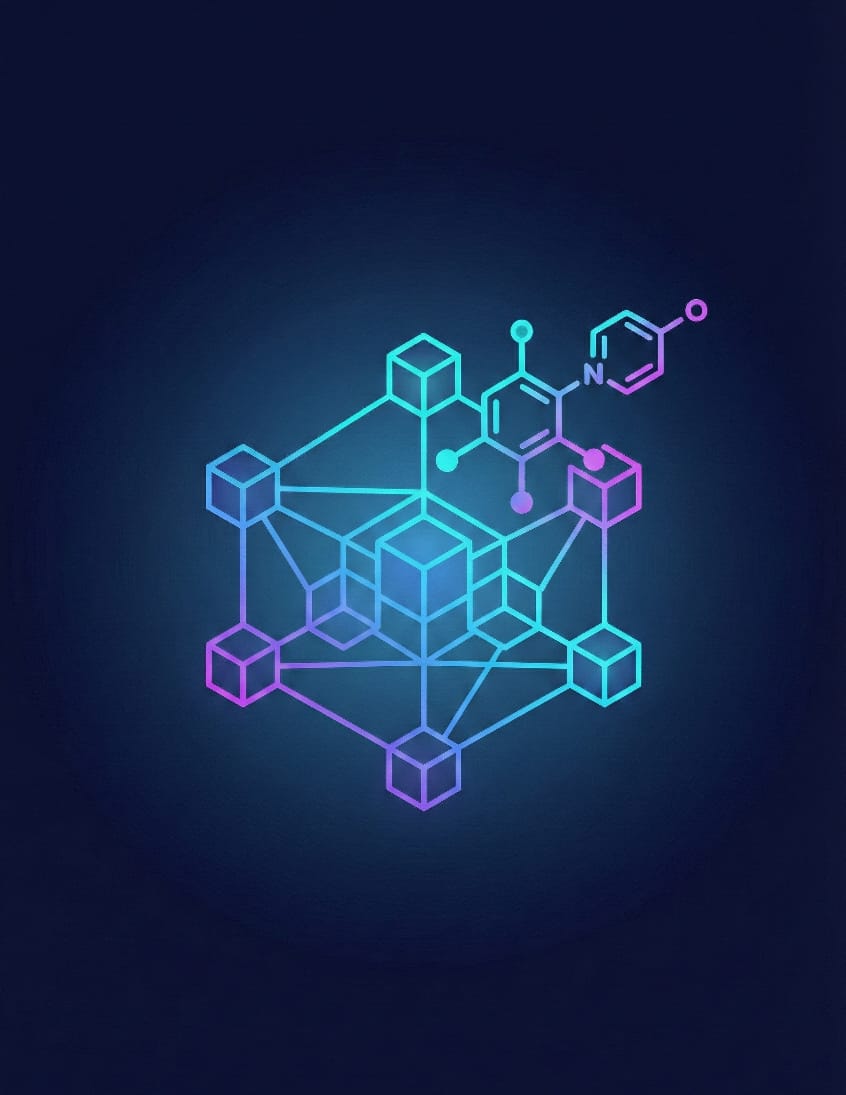
In modern drug discovery, developing an effective medicine is no longer enough—ensuring safety, efficacy, and patient compatibility is equally critical. This is where ADMET plays a vital role.
In modern drug discovery, developing an effective medicine is no longer enough—ensuring safety, efficacy, and patient compatibility is equally critical. This is where ADMET plays a vital role.
ADMET—Absorption, Distribution, Metabolism, Excretion, and Toxicity—represents the core scientific framework used to evaluate how a drug behaves inside the human body. With the rise of Artificial Intelligence (AI) in healthcare, ADMET analysis has become faster, smarter, and more predictive than ever before.

What is ADMET?
ADMET refers to a set of pharmacokinetic and toxicological properties that determine whether a drug candidate is safe and viable for human use. Let’s break it down:
1. Absorption
Absorption defines how efficiently a drug enters the bloodstream after administration. Poor absorption can lead to ineffective treatment, regardless of how powerful the compound is.
2. Distribution
Distribution explains how the drug spreads across tissues and organs. It helps determine whether the drug reaches its intended target, such as the brain, liver, or lungs.
3. Metabolism
Metabolism focuses on how the body chemically modifies the drug, primarily through liver enzymes. Improper metabolism can reduce drug effectiveness or generate harmful by-products.
4. Excretion
Excretion describes how the drug and its metabolites are eliminated from the body—usually through urine or bile. Slow or inefficient excretion may cause drug accumulation and toxicity.
5. Toxicity
Toxicity assesses potential harmful effects of a drug, including organ damage, genetic mutations, or long-term side effects.
Why ADMET Is Critical in Drug Discovery
Historically, many drug candidates failed during late-stage clinical trials due to poor ADMET properties—resulting in massive financial loss and delayed patient access.
Effective ADMET analysis helps to:
- Reduce drug failure rates
- Improve patient safety
- Optimize dosage and formulation
- Lower research and development costs
- Accelerate regulatory approvals
The Role of AI in ADMET Prediction
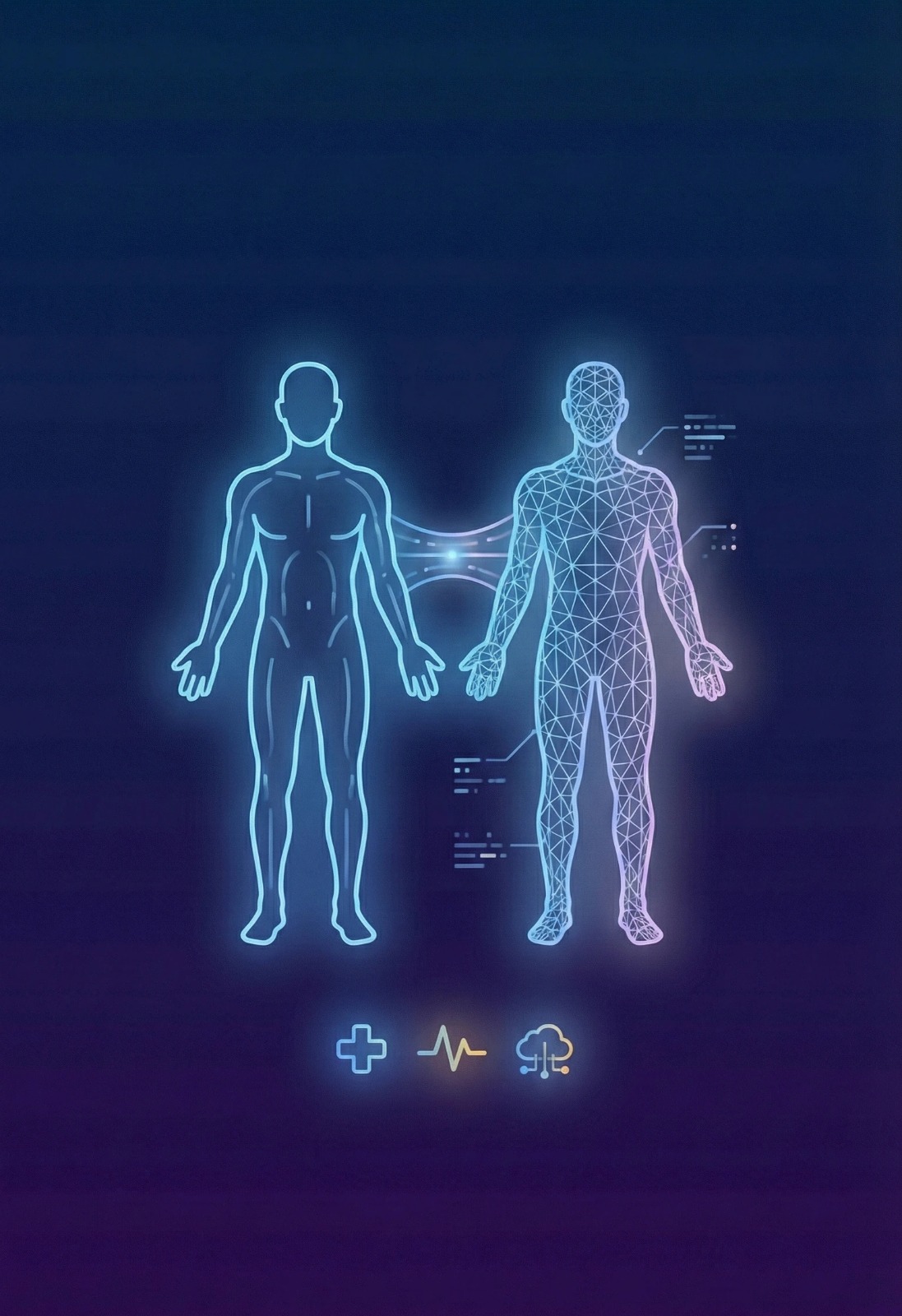
Traditional ADMET testing relies heavily on in-vitro experiments and animal studies, which are expensive, time-consuming, and limited in scalability.
Artificial Intelligence (AI) and Machine Learning (ML) are transforming this process by:
- Predicting ADMET properties early in drug discovery
- Analyzing large molecular datasets efficiently
- Identifying toxicity risks before clinical trials
- Reducing dependency on trial-and-error experimentation
- Enabling faster, data-driven decision-making
The care we provide helps people heal – and we have peer-reviewed research to prove it. With Varentra, more people get better, significantly improve, and achieve lasting results.
A Consolidated Approach
The creation of strategies today must move from proof of concept to proof of profits through well-defined use cases and embedded capabilities. Competing effectively and efficiently in the future requires leaders to take pragmatic actions now to define their AI platform of the future.
Embedded predictive intelligence in core processes identifies signals more quickly for research teams, accelerating time to resolution. This capability is augmented with a powered virtual agent that answers questions using a unified knowledge base of trusted data sources.
Many of these processes have been redesigned, enabling faster responsiveness and the elimination of manual toil and low-value steps. The organization experiences a cascading value effect as researchers can return to their core work and solve problems faster, leading to exceptional outcomes.